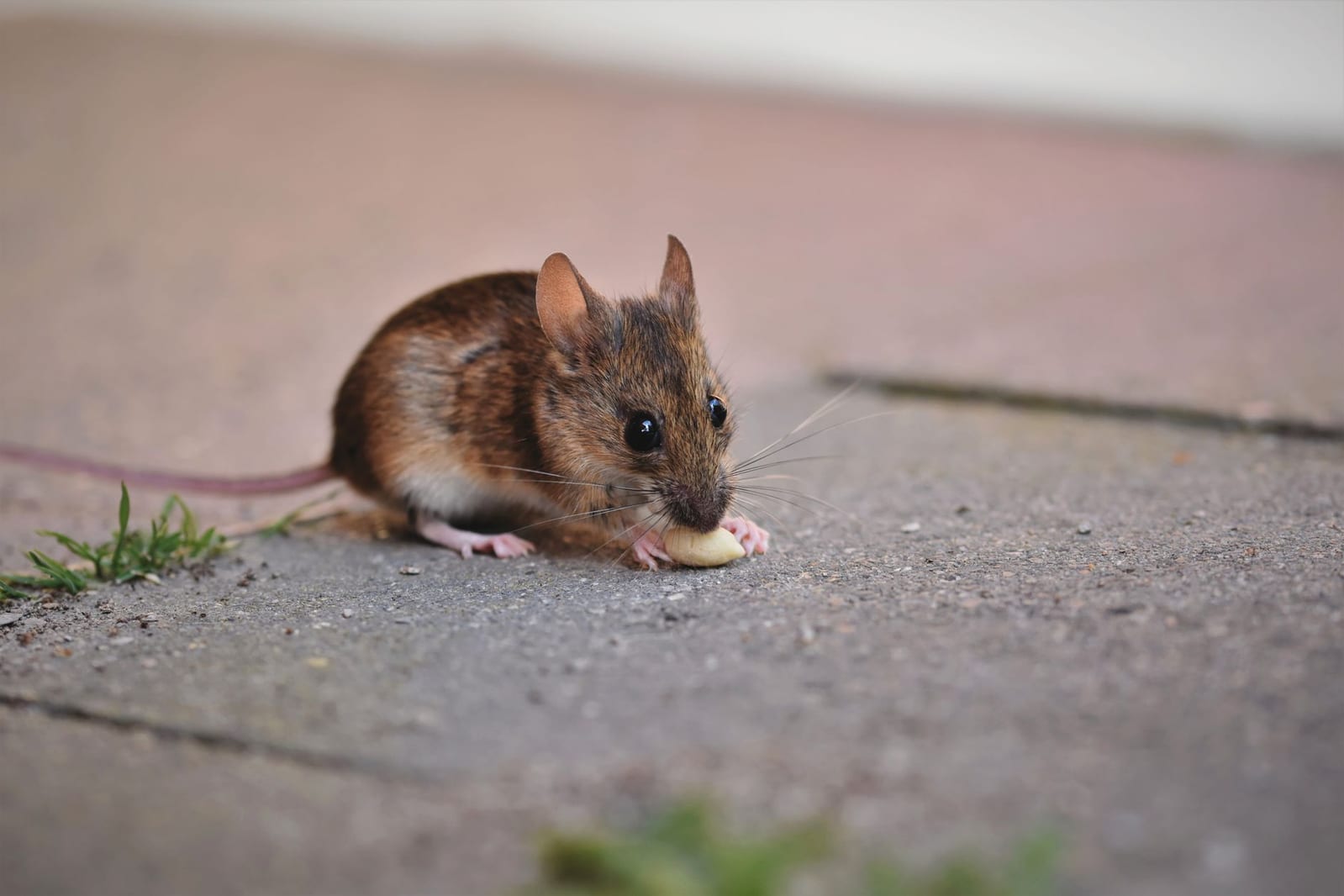
Looking for rodent control in Inwood? We control rats and mice by sealing the entry points they use to get in, removing the active population with targeted trapping and baiting, and proofing your property so they can't return. Inwood in Manhattan has its own pest profile — inwood sits at Manhattan's northern tip beside Inwood Hill Park — the only natural forest left on the island — so homes here see more wildlife pressure (squirrels, raccoons) alongside the usual urban rodents and roaches.
Inwood sits at Manhattan's northern tip beside Inwood Hill Park — the only natural forest left on the island — so homes here see more wildlife pressure (squirrels, raccoons) alongside the usual urban rodents and roaches.
Pre-war apartment stock along Dyckman Street and Seaman Avenue has the deep voids and shared plumbing that let cockroaches and mice move between units.
The park edge means seasonal mosquito and tick pressure for ground-floor and garden apartments.
Signs you need rodent control
Droppings along walls, under sinks, or in cabinets and drawers
Gnaw marks on food packaging, wiring, or baseboards
Scratching or scurrying noises in walls or ceilings, especially at night
A persistent musky, ammonia-like odour
Greasy rub marks along baseboards and runways
How we treat rodent control in Inwood
New York City has one of the densest rodent populations in the world. Aging infrastructure, restaurant-heavy blocks and continuous construction give rats and mice food, shelter and highways between buildings. Killing the rodents you can see is only half the job — without sealing how they get in, the next wave moves in within weeks.
Our rodent programme is built around exclusion: we inspect the building envelope for gaps around pipes, vents, foundation cracks, door sweeps and utility penetrations — rats can squeeze through a hole the size of a quarter, mice through a dime. We seal those entry points, then knock down the active population with a combination of trapping and tamper-resistant baiting placed away from people and pets.
Local landmarks & coverage
We serve all of Inwood and the surrounding Manhattan area — including Inwood Hill Park, Dyckman Street, Isham Park — across ZIP codes 10034, 10040.
Simple, transparent process
Our Inwood Rat & Mouse Control Process
1
Building-envelope inspection
We find every gap, crack and penetration rodents use to enter — interior and exterior.
2
Population knockdown
Targeted snap traps and tamper-resistant bait stations placed safely away from people and pets.
3
Exclusion & proofing
We seal entry points with rodent-proof materials so the problem doesn't simply return.
4
Sanitation guidance
Storage and sanitation advice that removes the food and harbourage drawing rodents in.
5
Monitoring
Follow-up checks to confirm activity has stopped and proofing is holding.
6
Health-risk and contamination assessment
On inspection we flag droppings, urine staining, nesting material, and contamination in food-prep, storage, and HVAC areas — the spots that carry leptospirosis, Salmonella, and hantavirus risk — so cleanup is handled safely, not just swept up.
7
Burrow treatment and collapse
NYC's brown rats nest in burrows along foundations, garden beds, and tree pits. We treat and collapse active burrows on the property so the colony loses its harborage, not just its indoor food source.
8
Inspection-readiness for Rat Mitigation Zones
For buildings in a NYC Health Department Rat Mitigation Zone, we document treatment and proofing and address the rat-friendly conditions inspectors cite, helping you pass indexing inspections and avoid a Commissioner's Order to Abate.
Rat & Mouse Control in Inwood — FAQs
Do you provide rodent control in Inwood?
Yes — Bed Bug Exterminator Manhattan provides rodent control throughout Inwood (10034, 10040) and nearby Manhattan. Call us and we'll book the earliest available appointment.
How do I keep rats from coming back?
Knockdown without exclusion always fails in NYC. We seal every entry point and remove food and harbourage so the population can't re-establish.
Are the baits safe around children and pets?
Yes — we use tamper-resistant bait stations placed in areas inaccessible to children and pets, and we favour trapping in occupied spaces.
How fast can you respond to a rat problem?
We book rodent visits promptly across the five boroughs — call us and we'll schedule the earliest available appointment for active issues.
Do you handle rodents in restaurants and bodegas?
Yes. We run discreet, Department-of-Health-conscious rodent programmes for food-service and retail clients.
Can NYC rats make you sick?
Yes. NYC rats carry diseases that can spread to people, most notably leptospirosis, a bacterial infection transmitted through contact with rat urine or urine-contaminated water, soil, or surfaces. The NYC Department of Health reported a record 24 human leptospirosis cases in 2023 and 33 in 2024, well above the long-term average. Rats can also transmit rat-bite fever, Salmonella, and Seoul hantavirus, which is why we treat rodent infestations as a health issue, not just a nuisance.
What diseases do rats carry in NYC?
Brown rats in New York City have been found to carry leptospirosis (Leptospira), Salmonella and E. coli (which cause food poisoning), Seoul hantavirus, and the bacteria that cause rat-bite fever, according to NYC Health and a 2014 Columbia University study of Manhattan rats. Most human exposure comes from contact with rat urine, droppings, or contaminated food and water rather than from bites. Eliminating the infestation and cleaning droppings safely removes the source of exposure.
What is leptospirosis and how do you get it from rats?
Leptospirosis is a bacterial infection spread mainly through the urine of infected animals, and in NYC rats are the most common source, per NYC Health. People typically get it when rat urine or urine-contaminated water, soil, or food contacts broken skin, the eyes, nose, or mouth. Symptoms include fever, headache, muscle aches, and jaundice, and untreated cases can progress to kidney or liver failure, so anyone with symptoms after rat exposure should see a doctor.
How many rats are in New York City?
A 2023 study estimated roughly 3 million rats in New York City, close to a third of the human population, though estimates vary and an earlier 2014 analysis put the figure near 2 million. The dominant species is the brown rat, also called the Norway rat (Rattus norvegicus), which burrows in soil, basements, and along foundations. Population density is highest on blocks with abundant uncontained trash and aging infrastructure.
What are Rat Mitigation Zones in NYC?
Rat Mitigation Zones (RMZs) are neighborhoods the NYC Department of Health designates as high rat-burden areas, where it inspects every property in a targeted area (a process called indexing), supports property owners, and coordinates with other city agencies to reduce rats on public property. Properties in an RMZ with active rat signs or rat-friendly conditions can receive a Commissioner's Order to Abate. If your building is in an RMZ, professional rodent control plus exclusion helps you pass inspection and avoid violations.
Has NYC's trash containerization actually reduced rats?
Yes, by the city's own data. The NYC Department of Sanitation reported sustained declines in 311 rat-sighting complaints after low-density buildings were required to containerize trash, and the Health Department reported initial inspections with active rat signs at a five-year low of 19.7% in Fiscal Year 2025. Containerization removes the open-trash food source rats depend on, which is exactly why our rodent programs pair treatment with sanitation and exclusion.
Is it safe to clean up rat droppings myself?
Clean small amounts carefully: never sweep or vacuum dry droppings, which can aerosolize particles, and instead wear gloves, dampen the area with disinfectant, wipe it up, and wash your hands, following CDC guidance. For heavy contamination, nesting material, or droppings in food-prep or HVAC areas, professional cleanup is safer because rat droppings and urine can carry leptospirosis, Salmonella, and hantavirus. We address both the active infestation and guidance on safe cleanup.
Do rats bite people in their sleep in NYC apartments?
Rat bites are uncommon but do happen, most often to sleeping infants, elderly, or unconscious people in heavily infested spaces. A bite or even handling a rat can transmit rat-bite fever, a bacterial infection that the CDC warns can become severe if untreated. Any rat bite should be cleaned immediately and evaluated by a doctor, and the infestation should be treated professionally so it doesn't recur.
Why are rats worse in NYC after warm, rainy weather?
Warm, wet conditions help rats breed and help leptospira bacteria survive longer in the environment. The NYC Department of Health found that half of locally acquired leptospirosis cases occurred in June and October, months that were warmer and wetter, and noted climate change may support disease persistence in temperate cities. Practically, this means rat pressure and health risk both rise in mild, rainy stretches, when exclusion and sanitation matter most.
Rat & Mouse Control in Inwood — book today
Licensed, insured, local NYC exterminators. Call to schedule.